YMS - YARD MANAGEMENT SYSTEM

Yard management system to organize loads, docks and vehicles in real time

Centralize loading and unloading scheduling, driver check-in and yard monitoring in a single system. Reduce queues, eliminate scattered controls and gain predictability at every stage of the operation.

Start your journey with Mobiis

Schedule a demonstration focused on your business with our specialists.

Fill in the fields so that one of our specialists can get in touch with you
  • adfdfadfa
  • adfdfadfa
  • adfdfadfa
Thank you! Your submission has been received!
Oops! Something went wrong while submitting the form.

YMS

What is a Yard Management System?

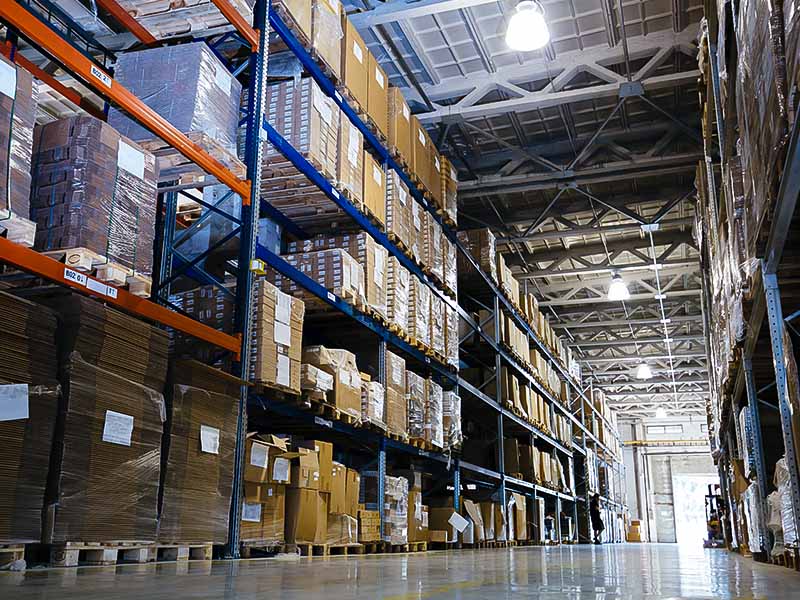
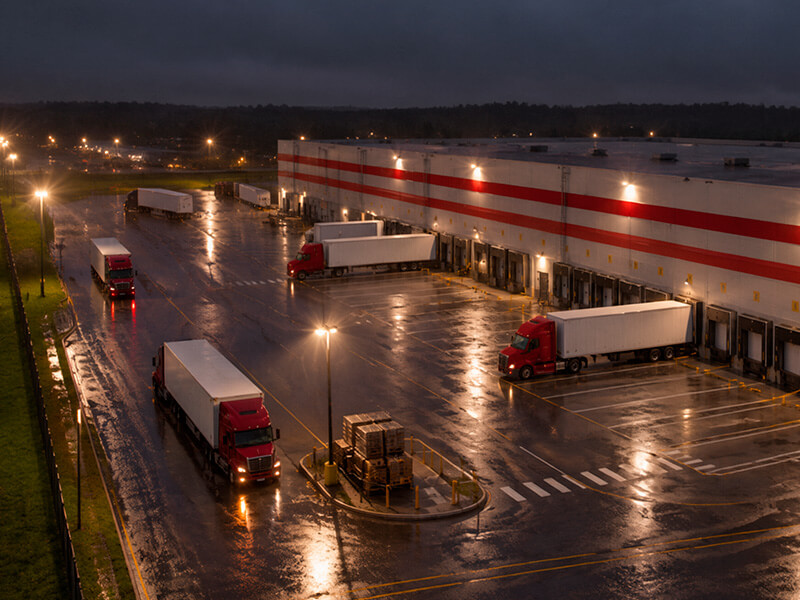
YMS stands for Yard Management System. The solution organizes the flow of vehicles, drivers, loads and docks in distribution centers, warehouses and industrial units. In practice, it connects loading and unloading scheduling to the driver’s arrival, the waiting queue, dock allocation, operation monitoring and the vehicle’s departure.

With a YMS, the company replaces scattered controls with a standardized and visible process. This makes it possible to plan time slots, monitor the yard in real time and use indicators to identify bottlenecks and improve productivity.

YMS Features

How does it work?

We offer a complete system for transportation logistics management. Discover now the 7 steps of Mobiis YMS.

Learn More

1. Loading and unloading scheduling

Control loading and unloading scheduling in real time. Your logistics flow is fully optimized, speeding up the truck loading and unloading process and the daily predictability of the flow, that is, greater control of yard management.

2. Scheduling configuration

Define which scheduling program the operation will serve and make the best scheduling time available to suppliers, carriers or customers.

3. Driver arrival confirmation

Anticipate the driver’s arrival at your distribution center or warehouse by providing a link for confirmation that the driver is at the location before arriving at your company.

4. Digital Checklist

Leave the clipboard and paper aside. If your company cares about sustainability, we have developed a digital checklist for validating and analyzing the vehicles and drivers that enter and leave your warehouse or distribution center.

5. Yard organization

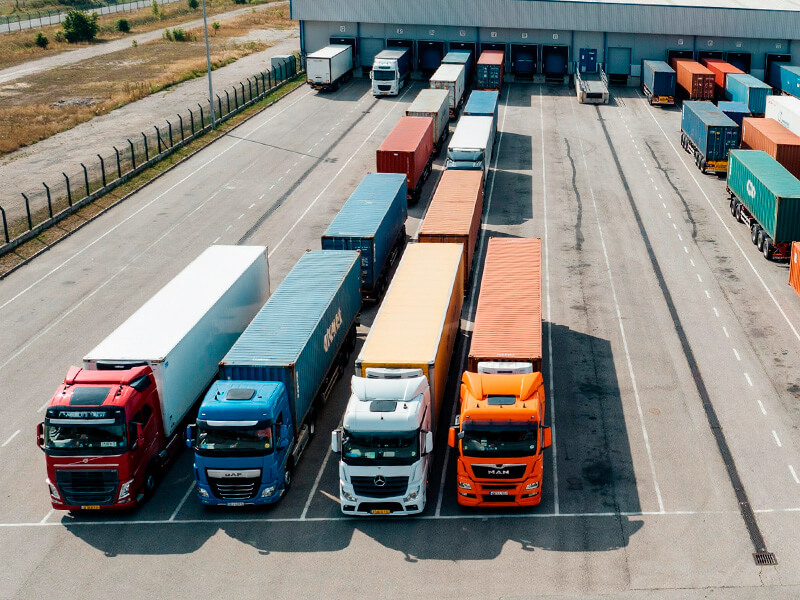
Organization is essential in yard management to reduce bottlenecks, avoiding unnecessary crowding and time lost by both the company and the driver. Loading and unloading scheduling speeds up this organization, which directly reflects on productivity.

6. Real-time monitoring and indicators

Monitor loading status, from the scheduling reservation to the vehicle’s departure, in real time. Agility in internal processes for the development of an efficient truck loading and unloading operation, with the support of indicators that are fully customizable for logistics analyses.

7. KPIs & Reports

Agility in internal processes for the development of an efficient truck loading and unloading operation, with the support of indicators that are fully customizable for logistics analyses.

Results for a more predictable and productive yard operation

Fewer queues and idle time

Distribute arrivals better and reduce crowding at the entrance and in the yard.

More predictability

View the day’s schedule and prepare teams, docks and resources in advance.

Better use of docks

Reduce conflicts, idle periods and overload during peak hours.

More productivity in loading and unloading

Standardize the flow and reduce interruptions caused by lack of information.

Fewer manual controls

Concentrate scheduling, check-in, statuses and indicators in a single environment.

Data-based decisions

Identify excessive times and bottlenecks with operational indicators.

For operations that need to coordinate vehicles, docks and time slots with greater control

Crossdocking

Industry and Manufacturers

Organization of the receipt of inputs and shipment of finished products.
Crossdocking

Distributors and Wholesalers

Loading and unloading planning in operations with peaks and a wide variety of partners.
Crossdocking

Distribution Centers

Coordination of a high volume of vehicles, multiple docks and different time slots.
Crossdocking

Retailers and E-commerce

Supplier scheduling and organization of receiving at distribution centers.
Crossdocking

Third-Party Logistics Providers (3PLs)

Management of different flows, customers and rules in the same structure.
Crossdocking

High-Volume Operations

Queue and capacity control in units subject to seasonality of arrivals.

Mobiis YMS vs Manual Yard Management

Scheduling

YMS Mobiis

Time slots organized in an online environment

Manual Management

Spreadsheets, emails and phone calls

Arrival

YMS Mobiis

Structured check-in and queue

Manual Management

Scattered control at the gatehouse

Docks

YMS Mobiis

Centralized status

Manual Management

Update by radio/message

Flow in the yard

YMS Mobiis

Stages standardized by workflow

Manual Management

Process dependent on people

Checklist

YMS Mobiis

Digital record

Manual Management

Paper and clipboard

Visibility

YMS Mobiis

Real-time dashboard

Manual Management

Fragmented information

Indicators

YMS Mobiis

KPIs and operational reports

Manual Management

Manual/nonexistent consolidation

Companies that have already transformed their transportation management with Mobiis

FAQ

What is YMS?

YMS stands for Yard Management System. It organizes the flow of vehicles, drivers, loads and docks, from scheduling to the vehicle’s departure.

What is a Yard Management System used for?

It is used to plan loading and unloading time slots, control the arrival of vehicles, organize queues and docks, monitor activities and analyze yard indicators.

How does loading and unloading scheduling work?

The operation defines times, capacities and rules. Partners consult the available time slots, reserve a time and follow the process according to the configured flow.

How can truck queues in the yard be reduced?

Reducing queues depends on distributing arrivals by time slots, confirming check-in, monitoring dock capacity and acting on deviations. A YMS centralizes these stages and their indicators.

What is the difference between YMS and WMS?

YMS manages the yard, vehicles, docks and scheduling. WMS manages internal warehouse processes, such as inventory, picking and shipping. The solutions are complementary.

What is the difference between YMS and TMS?

YMS coordinates the flow within the yard. TMS manages transportation, such as contracting, execution, freight and load monitoring. Integration reduces disruptions between transportation and the unit.

Does YMS help control docks?

Yes. The system organizes time slots and provides visibility of dock and activity statuses, supporting better capacity distribution.

Can the driver perform digital check-in?

The check-in functionality makes it possible to confirm arrival and support queue organization. The exact format must follow the configuration defined in the project.

Which indicators can be monitored?

The operation can monitor indicators related to dwell time, occupancy, productivity, queues, delays and the progress of activities, according to system availability and configuration.

Who can use a YMS?

Industries, distribution centers, distributors, retailers, logistics operators and other operations with a relevant flow of vehicles and docks.

How much does a YMS cost?

The investment varies according to the volume of scheduling, modules, integrations, users and the complexity of the operation. The recommendation is to perform a diagnosis and request a customized proposal.

Mobiis Logistics

Solutions to transform your logistics operation

Where we are

Campinas/SP
Av. José de Sousa Campos, 900, Trade Tower 9º Andar, Nova Campinas, Campinas - SP, 13092-123

Fortaleza/CE
Av. Washington Soares, 1321, Bloco M, Edson Queiroz, Fortaleza-CE

Curitiba/PR
R. Pasteur, nº 463 - salas 503 / 504 - Água Verde, Curitiba - PR, 80250-104

$(document).ready(function() { aplicarMascaraCelular('#celular'); aplicarMascaraCelular('#WhatsApp-Telefone'); });